Blogs
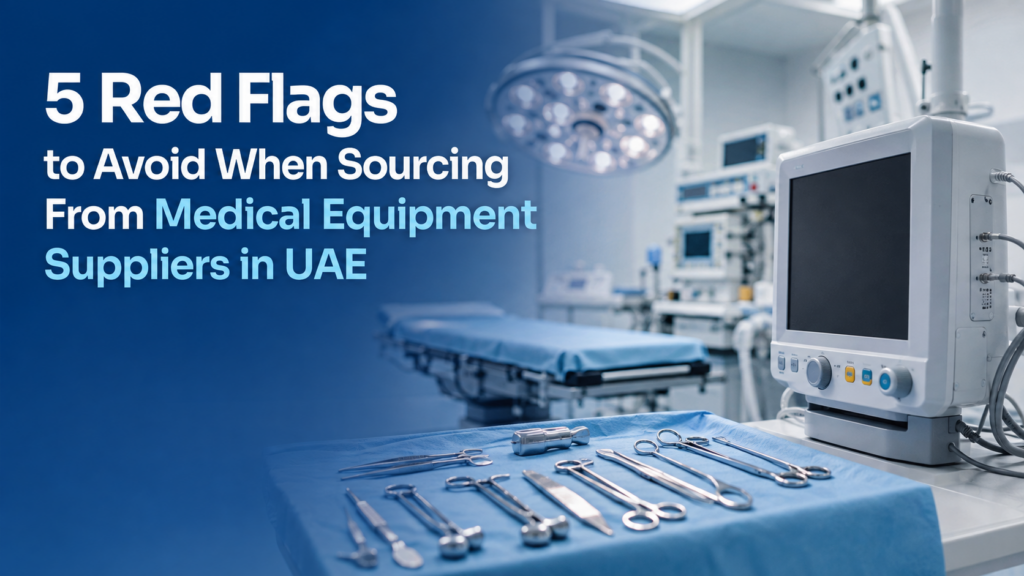
From Warehouse to Ward: A Practical 2026 Guide to Supplying MOHAP-Compliant Medical Equipment in the UAE – and How Lifecare Makes It Easier
The UAE’s healthcare sector is expanding at record speed. New hospitals, specialty clinics, dental centres, and diagnostic labs are opening across the country and with them comes an urgent demand for reliable, high-quality medical equipment.
But in 2026, buying medical equipment in the UAE is no longer just about price, features, or delivery speed. Compliance now determines what you can actually use.
MOHAP regulations, ISO 13485 requirements, risk-based classification, and import permits are shaping every purchasing decision. For hospitals and clinics, choosing the wrong supplier can mean customs delays, rejected shipments, or even legal exposure.
This guide explains how compliant medical equipment moves from warehouse to ward, and why experienced medical equipment suppliers in Dubai UAE, like Lifecare, are becoming essential partners not just vendors.
Why Compliance Decides What You Can Actually Use
In the UAE, MOHAP (Ministry of Health and Prevention) regulates every medical device that enters the country.
Before a device can be legally imported or used:
- The device must be registered with MOHAP
- The manufacturer must be approved
- A licensed UAE Authorized Representative (Marketing Authorisation Holder) must be appointed
If any of these elements are missing, the risks are real:
- Shipments can be held or rejected at customs
- Import permits may be denied or revoked
- Healthcare facilities can face legal liability for using unapproved equipment
This is why hospitals increasingly prefer established medical equipment suppliers in Dubai UAE who understand local regulations and ensure products are compliant before they reach procurement desks.
ISO 13485: The Quality Badge Behind Every Safe Device
Behind every MOHAP approved device is a factory that meets strict quality standards.
To register a manufacturing site, MOHAP requires a valid ISO 13485:2016 certification, proving that the manufacturer:
- Operates a recognised medical device quality management system
- Controls design, production, traceability, and post-market surveillance
- Follows international safety and risk management practices
Lifecare’s sourcing philosophy is simple:
If the manufacturer cannot pass ISO 13485 scrutiny, the product does not enter the supply chain.
This protects hospitals from:
- Substandard devices
- Inconsistent manufacturing quality
- Registration failures during MOHAP review
Risk Based Classification and Why It Changes the Route
Not all medical devices follow the same approval pathway.
The UAE applies GHTF risk classifications:
- Medical Devices: Class I (low risk) to Class IV (high risk)
- IVDs: Class A to Class D
What this means for buyers:
- Low risk devices (e.g., basic consumables) may qualify for a simplified listing route
- Higher risk devices (e.g., AEDs, monitors, dental chairs) require full technical committee review
These classifications affect:
- Approval timelines
- Documentation depth
- Procurement planning for large projects
Lifecare helps hospital procurement teams understand early whether a product will need:
- Simple listing, or
- Full MOHAP registration avoiding last-minute surprises during tenders or installations
Site and Device Registration: What Happens Before Import
MOHAP approval is a two-step process:
Step 1: Manufacturing Site Registration
First-time manufacturers must register their factory with MOHAP, supported by:
- ISO 13485 certification
- Quality manuals and audits
- Regulatory declarations
Step 2: Device Registration
Each device then requires submission of:
- Instructions for Use (IFU)
- User manuals and technical specifications
- Safety data and composition details
- Labelling and risk documentation
Approvals are typically valid for five years, making long term compliance critical.
By partnering only with manufacturers that have completed or are actively completing these steps, Lifecare ensures:
- Smooth customs clearance
- Legal marketability
- Long term service and spare parts support
Authorized Representative & Import Permits: The Legal Bridge
Foreign manufacturers cannot register devices directly in the UAE.
They must appoint a UAE based Authorized Representative (MAH) who:
- Submits MOHAP registration files
- Maintains licenses
- Applies for import permits
- Acts as the legal point of contact with regulators
As a long established Dubai-based supplier, Lifecare coordinates closely with:
- Authorized Representatives
- Logistics partners
- Regulatory consultants
This ensures that permits, shipping schedules, and installation timelines align not only in the UAE, but also across the GCC and Africa, where Lifecare supports regional healthcare projects.
How Lifecare Connects Regulatory Insight With Real World Products
Regulatory consultants like Qserve interpret what MOHAP expects:
- ISO 13485 compliance
- Risk management files
- Arabic labelling and IFU translations
- Complete technical dossiers
Lifecare translates those requirements into real, ready to use products.
This “from warehouse to ward” approach means clinicians and buyers can confidently select:
- Wheelchairs
- AEDs
- Patient monitors
- Dental chairs
- Medical consumables
all without needing to decode regulatory language themselves.
This is what sets trusted medical equipment suppliers in Dubai UAE apart from transactional traders.
Biomedical Services That Keep Compliance Alive After Purchase
Compliance does not end when the shipment arrives.
MOHAP and international standards expect:
- Proper installation
- Regular calibration
- Electrical safety testing
- Preventive maintenance documentation
Lifecare’s in house biomedical team supports:
- Equipment installation and commissioning
- Breakdown response and repairs
- Calibration and safety checks
- Service reports for audits and accreditation
This ongoing support helps facilities remain inspection ready and protects their investment long after purchase.
A 2026 Checklist for Hospital Buyers
Before approving any medical equipment purchase in 2026, hospital buyers should confirm:
- ISO 13485-certified manufacturer
- MOHAP site and device registration
- UAE Authorized Representative in place
- Valid import permits
- Arabic labels and IFUs
- Local biomedical service and spare parts support
Lifecare aligns with this checklist by design, acting as a one stop partner that helps healthcare providers move from quotation to fully installed, compliant equipment with less delay and lower regulatory risk.
In a regulated market like the UAE, compliance is not a checkbox it is a strategy.
By working with experienced medical equipment suppliers in Dubai UAE such as Lifecare, hospitals and clinics gain more than products. They gain confidence that every device entering their facility is approved, supported, and future ready from warehouse to ward.